Disc golf bags & accessories
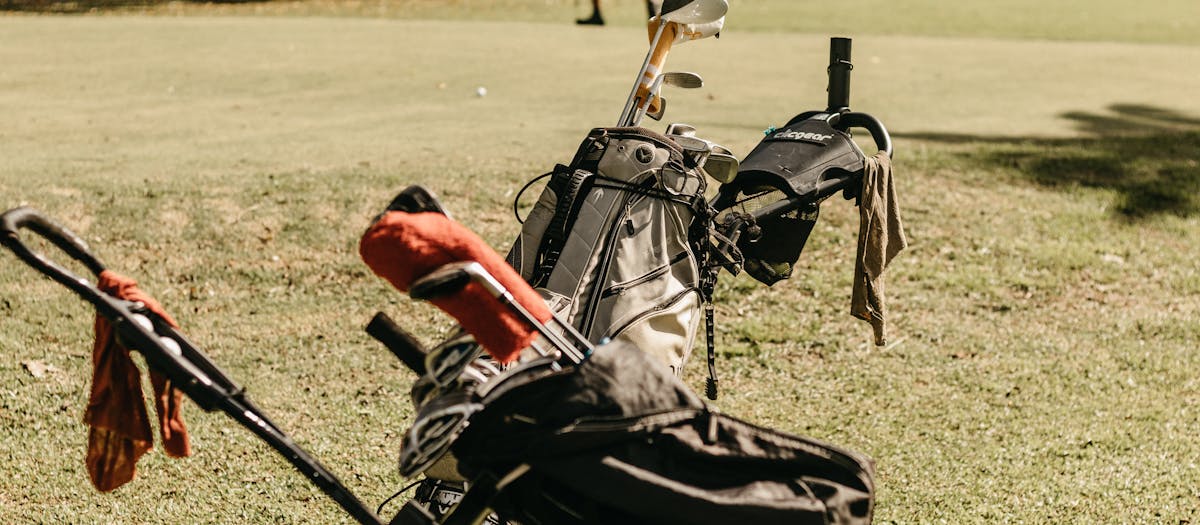
A bag is the cart-stack completer — the thing you add once three loose discs in your hands stop being practical. The choice is simpler than the marketing makes it look: it comes down to how many discs you carry and how far you walk. This silo covers bags by carry style — sling, backpack and cart — plus the short list of accessories that genuinely earn their place in the bag, and the gimmicks that do not.
You do not need a bag to start. A backpack you already own carries three discs fine. But a purpose-built bag keeps discs organised, frees your hands, and holds the water and accessories that make a round more pleasant. When you are ready, here is how to size one.
The three carry styles
- Sling ($20–40). A small over-the-shoulder bag holding roughly 6 to 10 discs. Light, cheap, and ideal for a beginner three-to-six-disc kit. The natural first bag.
- Backpack ($50–150). Two-shoulder carry for a full bag of discs (15 to 25+), plus water, towels and accessories. What most players settle into once their bag grows. Comfortable over a full round.
- Cart ($150–300+). Rolls the whole load behind you on wheels. A later, bigger purchase for players who carry a lot or have a bad back. Overkill for a beginner.
What matters in a bag
The buyer-education layer the listicles skip. Run any bag through these specs.
Disc capacity
How many discs the bag holds is the first filter. Match it to the number you actually throw, not the number you aspire to — a 25-disc backpack carrying six discs is just dead weight on your shoulders. A beginner with three to six discs wants a sling or a small backpack, not a touring bag.
Carry system
A single shoulder strap (sling) is fine for a light load and a short walk. Backpack straps spread the weight across both shoulders, which matters once the bag is full and the course is long. Look for padded, adjustable straps on anything you will carry for a full round.
Pockets and organisation
A putter pocket up top, a zip pocket for keys and a phone, a slot for a water bottle, and a loop for a towel cover the essentials. More pockets are not always better — they add weight and cost. You want the few that match how you play.
Build and a note on coolers
Build quality — the fabric weight, the zips, the base — decides how long a bag survives being set down on wet grass and gravel. One feature worth flagging: some bags include an insulated cooler pocket for drinks, which is genuinely useful for hot-weather rounds and barely written about anywhere. The bags guide notes which picks include one.
The accessory checklist
The short list that earns its place in the bag. Everything else is optional.
- Towel. Dries your hands and discs in wet or humid conditions. Grip is everything, and a damp disc slips. The cheapest meaningful upgrade.
- Mini marker. A small disc you place to mark your lie before you throw. Cheap and part of the rules.
- Water bottle. Rounds take an hour or two on your feet. Hydrate.
- Grip enhancer (optional). Chalk bag or a grip-boosting product for sweaty hands in summer. Nice in the heat, skippable otherwise.
What you can skip: branded everything, novelty accessories, and any gadget promising more distance. Distance comes from technique, not gear.
Featured guides
The current published guides in this silo. More land each batch.
Landing next: Disc golf bag with cooler, Best disc golf backpack, and Disc golf carts.